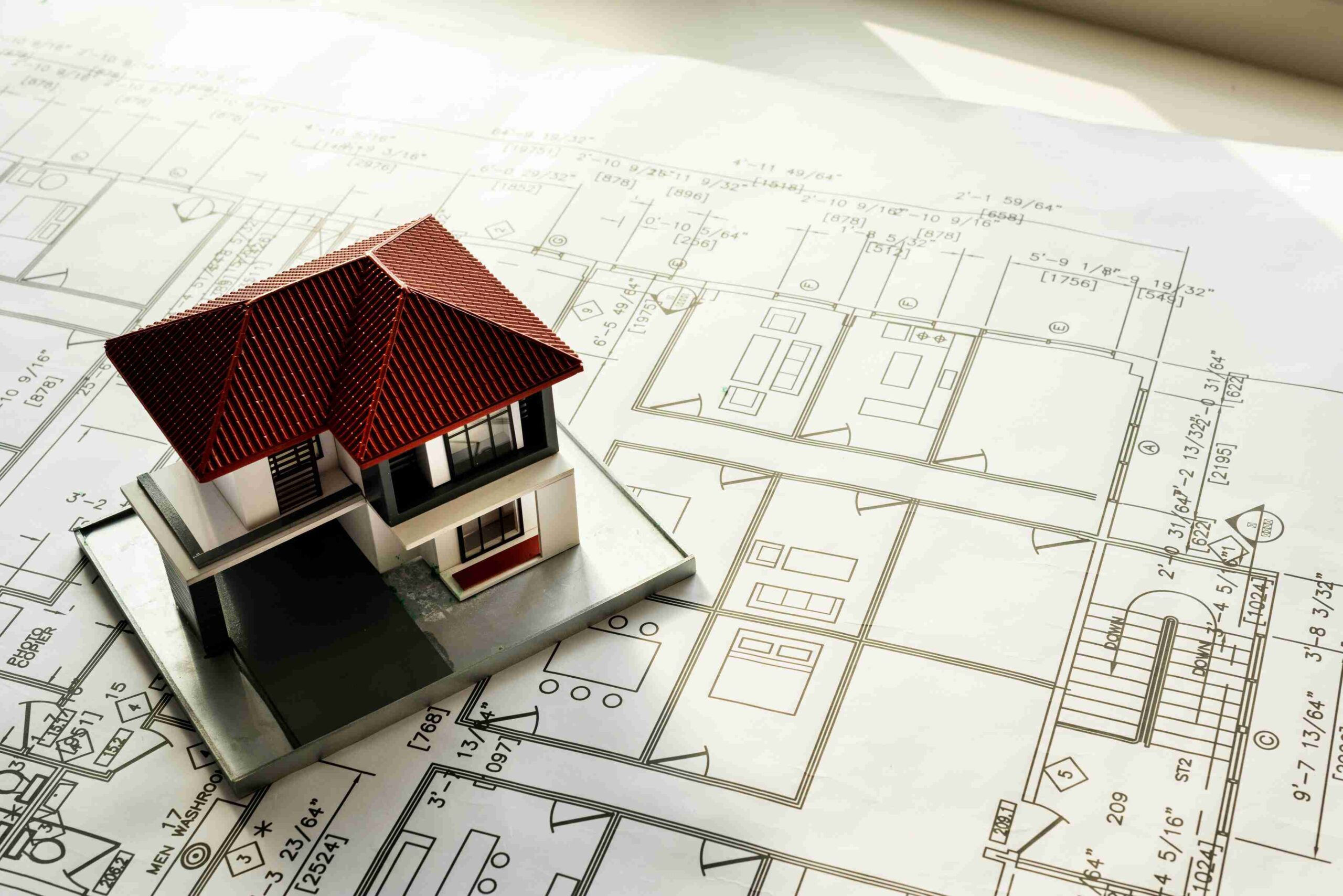
The property market is experiencing major changes as modern innovations influence how people buy, sell, rent, and manage real estate. Technology has made property information easier to access, while changing lifestyles have created new expectations for housing. Buyers now want more convenience, transparency, and flexibility. Sellers look for effective ways to attract interested customers and complete transactions without unnecessary delays.
These developments are changing traditional real estate practices. Digital property searches, smart home features, and improved construction methods are becoming increasingly important. At the same time, environmental concerns and financial challenges are shaping future housing decisions. Understanding these innovations helps homeowners, buyers, investors, and real estate professionals make informed choices in a competitive market.
Digital Platforms Are Simplifying Property Searches
Online property platforms have transformed how people search for homes and commercial spaces. In the past, buyers depended heavily on newspaper advertisements, printed listings, and personal recommendations. Today, websites and mobile applications provide detailed information about available properties. Buyers can compare prices, explore neighborhoods, and review property features from almost anywhere. This convenience allows people to research several options before contacting an agent or arranging a visit.
Digital platforms also help sellers reach a broader audience. Property owners can display professional photographs, detailed descriptions, and important information about their homes. Search filters allow potential buyers to focus on properties that match their budgets and preferences. However, accurate information remains essential. Misleading photographs or outdated listings can create confusion. Reliable platforms and honest property descriptions help establish trust between buyers, sellers, and real estate professionals.
Virtual Tours Are Changing the Homebuying Experience
Virtual property tours allow potential buyers to explore homes without visiting them physically. These digital experiences provide detailed views of rooms, layouts, and interior features. Some platforms allow users to move through a property and examine different spaces from multiple angles. This approach helps buyers determine whether a home meets their needs before scheduling an appointment. It also reduces unnecessary travel and makes the search process more efficient.
Virtual tours are particularly useful for people relocating to unfamiliar cities. Buyers can explore several properties before making travel arrangements. Real estate agents also benefit because they can focus on customers who show genuine interest. Still, digital presentations cannot replace every part of an in-person inspection. Buyers should examine building conditions, neighborhood surroundings, and potential maintenance problems before making important commitments. Combining online exploration with physical inspections creates a more complete understanding of a property.
Artificial Intelligence Is Supporting Better Property Decisions
Artificial intelligence is becoming an important tool in modern real estate. Computer systems can examine property records, recent sales, and neighborhood information to identify useful patterns. Some platforms use this information to estimate property values or recommend homes that match buyer preferences. These tools help people review large amounts of information more quickly. They also make it easier to compare housing options across different locations and price ranges.
Real estate professionals can use artificial intelligence to improve customer service and daily operations. Automated assistants can respond to common questions, arrange appointments, and organize customer inquiries. Property managers may also use digital tools to identify maintenance needs and review operating expenses. However, automated recommendations are not always accurate. Local conditions and unusual property features can affect results. Human experience and careful evaluation remain necessary when making financial decisions.
Smart Home Features Are Influencing Buyer Preferences
Smart home technology has introduced new ways to manage household comfort, safety, and energy consumption. Connected thermostats can adjust temperatures according to daily routines. Smart lighting systems allow residents to control indoor and outdoor lights through mobile devices. Security cameras and electronic door locks provide additional options for monitoring property access. These features can make everyday activities easier and help homeowners manage certain expenses.
Modern buyers increasingly consider these features when comparing properties. A home with reliable security systems and efficient energy controls may appeal to people who value convenience. However, smart technology also requires maintenance and proper security settings. Some devices depend on internet connections, software updates, or paid services. Homeowners should evaluate practical benefits before investing in expensive systems. Simple, reliable improvements often provide greater long-term value than complicated features that receive little use.
Sustainable Construction Is Changing Housing Development
Environmental awareness is influencing the way developers design and construct buildings. Many new housing projects focus on reducing energy consumption and improving resource efficiency. Better insulation, efficient heating systems, and improved windows can help maintain comfortable indoor temperatures. Some buildings also include solar panels and water-saving equipment. These features may reduce operating costs while supporting more responsible use of natural resources.
Sustainable construction involves more than installing modern equipment. Developers also consider building materials, natural lighting, ventilation, and long-term maintenance needs. Durable materials can reduce frequent repairs and replacement costs. Thoughtful designs may also improve indoor comfort and overall building performance. However, environmentally friendly improvements should match local conditions and available budgets. Buyers need to compare installation expenses with expected savings to determine whether a particular feature offers meaningful value.
Remote Work Is Reshaping Residential Property Demand
Changes in working arrangements have influenced what people expect from their homes. Remote and flexible work schedules have increased interest in properties with dedicated office areas. Buyers may prefer homes with extra bedrooms, quiet workspaces, or adaptable living areas. Reliable internet service has also become an important consideration. These preferences are encouraging homeowners and developers to reconsider traditional room layouts and residential designs.
Flexible working arrangements can also influence where people choose to live. Some households may consider suburban or smaller communities when daily travel to an office becomes less necessary. Others continue to prefer urban locations because of employment opportunities, public transportation, and nearby services. Housing preferences depend on family needs, income, and lifestyle. Developers who recognize these differences can create properties that support changing routines without sacrificing comfort or convenience.
Modern Construction Methods Are Improving Building Efficiency
New construction methods are helping builders improve planning, reduce certain expenses, and complete projects more efficiently. Some companies use factory-built sections that workers assemble at construction sites. This approach can reduce weather-related delays and improve consistency when manufacturers maintain strong quality controls. Digital planning tools also help construction teams review building designs before work begins. These improvements can reduce avoidable mistakes and support better coordination.
However, modern construction methods do not eliminate every building challenge. Material prices, labor availability, transportation, and local regulations still affect project costs. Builders must also maintain safety standards and inspect completed work carefully. The value of any new method depends on the project and its location. When used appropriately, improved construction practices can support housing development while helping companies manage resources more effectively.
Digital Transactions Are Making Property Sales More Convenient
Property transactions often involve extensive paperwork, communication, and financial coordination. Digital services have simplified several stages of this process. Electronic signatures allow buyers and sellers to approve many documents remotely where permitted by law. Secure online systems can organize contracts, inspection reports, and other important records. Digital communication also helps agents, lenders, and customers exchange information without repeated office visits.
These improvements can reduce delays and make transactions easier to manage. However, real estate agreements still require careful attention. Buyers should understand financing terms, property conditions, and contractual responsibilities before signing documents. Secure handling of personal information is equally important. Reliable technology should support clear communication rather than replace professional advice. A convenient transaction becomes valuable when everyone understands the process and their obligations.
Property Management Is Becoming More Responsive
Modern property management systems help owners organize rental activities and building maintenance. Online portals allow tenants to submit service requests, review payment records, and communicate with managers. Property owners can use these systems to monitor expenses, track repair schedules, and maintain important documents. Clear records make it easier to identify recurring problems and respond to tenant concerns.
These systems can improve service quality when managers use them responsibly. Faster communication may help resolve maintenance issues before they become more expensive. Digital payment options can also simplify rent collection and recordkeeping. Still, successful property management depends on more than software. Owners must maintain safe buildings, respect tenant rights, and address problems promptly. Technology works best when it supports reliable service and responsible property ownership.