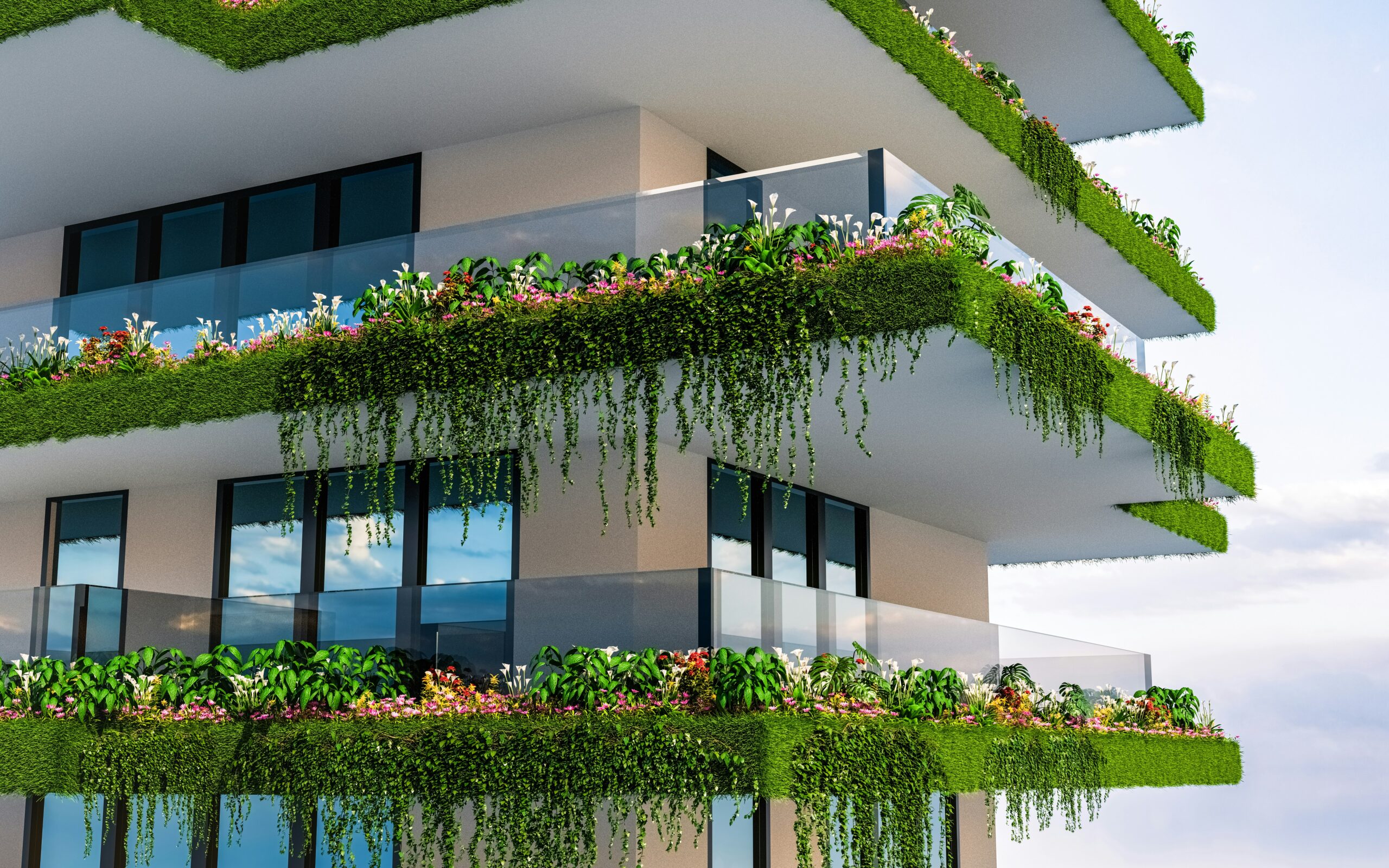
The real estate industry has changed dramatically over the past decade, and one of the biggest shifts has been the growing demand for green homes. Buyers today are paying closer attention to sustainability, energy efficiency, and environmentally friendly features when searching for a property. Green homes are no longer considered a luxury or a niche concept. They have become an important part of modern living, offering long-term savings, healthier indoor environments, and reduced environmental impact.
As climate concerns continue to influence consumer choices, sustainable housing trends are shaping the future of residential real estate. Builders, developers, and homeowners are now investing in innovative technologies and eco-friendly designs that support a more sustainable lifestyle.
Energy Efficiency Is Becoming a Standard Feature
One of the most important aspects of green homes is energy efficiency. Modern homeowners want properties that help lower utility costs while reducing energy consumption. As a result, energy-efficient appliances, LED lighting, and smart thermostats have become highly desirable features in residential properties.
Improved insulation and high-performance windows are also playing a major role in sustainable housing design. These features help regulate indoor temperatures more effectively, reducing the need for excessive heating and cooling. Many newly built homes are designed to maximize natural light, reducing daytime electricity use.
Solar panels are another major trend in real estate. More homeowners are choosing renewable energy systems because they provide long-term savings and increase property value. Advances in solar technology have made installation more affordable and efficient, encouraging wider adoption in residential neighborhoods.
Smart Home Technology Supports Sustainable Living
Technology has become an essential part of eco-friendly homes. Smart home systems are helping residents monitor and control their energy use more efficiently. From automated lighting to intelligent climate-control systems, these innovations enable homeowners to reduce waste without sacrificing comfort.
Smart water management systems are also gaining popularity. These systems can detect leaks, monitor water usage, and improve conservation efforts. In areas where water conservation is becoming increasingly important, these features are highly attractive to buyers.
Voice-controlled devices and mobile apps are making sustainable living easier than ever. Homeowners can adjust lighting, security systems, and energy settings remotely, creating a more convenient and environmentally responsible lifestyle.
Sustainable Building Materials Are on the Rise
The materials used in home construction are changing as sustainability becomes a priority in the housing market. Builders are increasingly choosing recycled, renewable, and locally sourced materials to reduce environmental impact.
Bamboo flooring, reclaimed wood, recycled metal, and eco-friendly concrete are now common in many modern homes. These materials are durable, stylish, and often require fewer natural resources during production.
Low-VOC paints and finishes are another growing trend. These products improve indoor air quality by reducing harmful chemical emissions inside the home. Health-conscious buyers are especially interested in properties that support cleaner and safer living environments.
Green roofs and sustainable landscaping are also becoming more popular. Native plants, rain gardens, and drought-resistant landscaping help conserve water while improving outdoor aesthetics. These environmentally friendly designs create beautiful spaces that require less maintenance and fewer resources.
Health and Wellness Are Influencing Buyer Decisions
Modern homebuyers are not only interested in saving energy but also in improving their overall well-being. Green homes often provide healthier indoor environments through improved ventilation, natural lighting, and non-toxic materials.
Indoor air quality has become a major concern for many families. Advanced air filtration systems and proper ventilation help reduce allergens, pollutants, and moisture problems inside the home. This creates a cleaner and more comfortable living space.
Natural light is another important feature in sustainable housing design. Homes with large windows and open layouts can improve mood, productivity, and overall comfort. Many buyers are now prioritizing wellness-focused features when making purchasing decisions.
The connection between sustainability and personal health continues to strengthen, making green homes even more appealing in today’s real estate market.
Green Certifications Are Increasing Property Value
Certified green homes are becoming more valuable in the housing market. Certifications such as LEED and Energy Star help buyers identify properties that meet specific environmental and energy-efficiency standards.
These certifications often increase buyer confidence because they demonstrate that a property has been professionally evaluated for sustainability performance. Homes with green certifications can attract more interest from environmentally conscious buyers and may sell faster than traditional properties.
Real estate professionals are also recognizing the financial benefits of sustainable housing. Energy-efficient homes often have lower operating costs, making them more attractive to long-term buyers and investors.
As awareness of climate issues continues to grow, green certifications are expected to play an even larger role in future property transactions.
The Future of Sustainable Real Estate
The evolution of green homes is transforming the real estate industry in powerful ways. Sustainable features are no longer optional additions but essential elements that influence property design, construction, and buyer preferences.
As technology advances and environmental awareness increases, green homes will continue to shape the future of residential living. Buyers are seeking properties that combine comfort, efficiency, and sustainability while supporting healthier lifestyles and reducing environmental impact.
The demand for eco-friendly housing is expected to grow steadily in the coming years. Builders and developers who embrace sustainable innovation will likely remain competitive in an evolving market focused on responsible and efficient living.