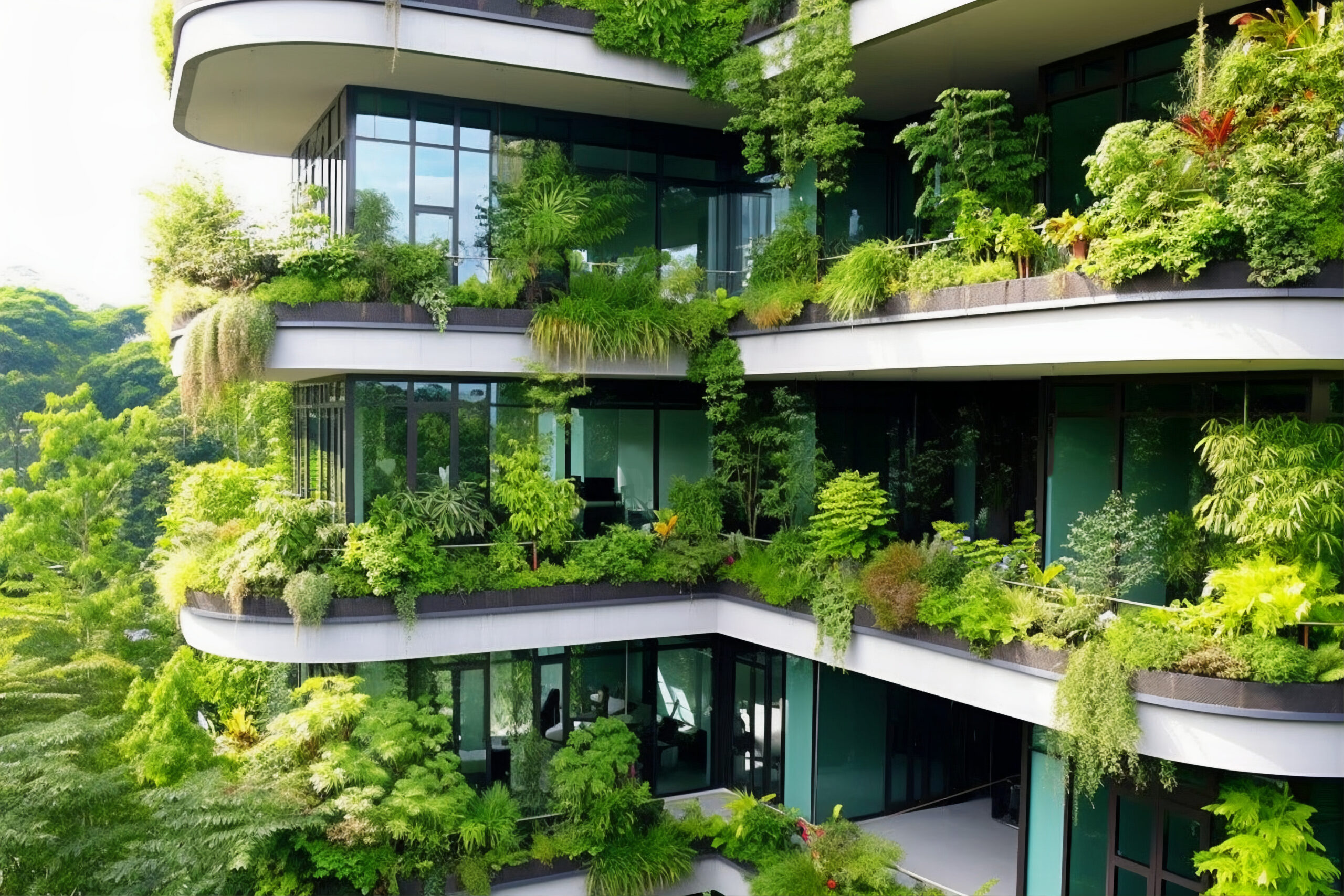
The real estate industry is undergoing a meaningful transformation as environmental awareness becomes a priority for investors and homeowners alike. A well-planned sustainable real estate strategy is no longer just an ethical choice but a practical approach to long-term success. As energy costs rise and environmental concerns grow, integrating sustainability into property decisions is becoming essential for staying competitive.
This shift reflects changing buyer expectations and evolving regulations. Modern investors are looking beyond short-term profits and focusing on properties that deliver efficiency, resilience, and environmental responsibility. By understanding how sustainability fits into real estate, individuals can create strategies that benefit both their portfolios and the planet.
The Growing Demand for Eco-Friendly Properties
Consumer preferences are shifting toward environmentally responsible living, making sustainability a key factor in purchasing decisions. This demand is shaping the direction of a sustainable real estate strategy, as buyers increasingly prioritize energy efficiency, reduced carbon footprints, and healthier living environments.
Properties that meet these expectations often attract more interest and command higher values. Buyers are willing to invest in homes that offer long-term savings through lower utility costs and sustainable features. This growing demand encourages developers and investors to adopt greener practices, creating a positive cycle of innovation and market growth.
Energy Efficiency as a Core Investment Principle
Energy efficiency is one of the most impactful elements of a sustainable real estate strategy. Features such as high-performance insulation, energy-efficient windows, and smart climate control systems can significantly reduce energy consumption. These improvements not only lower operating costs but also enhance property appeal.
Investors who prioritize energy efficiency can achieve better returns over time. Reduced energy usage translates into lower expenses, which increases overall profitability. Additionally, energy-efficient properties are often more resilient to fluctuations in utility prices, providing greater long-term financial stability.
Incorporating Renewable Energy Solutions
Renewable energy is becoming a cornerstone of modern real estate development. Integrating solar panels, wind energy systems, or geothermal solutions into a sustainable real estate strategy can provide long-term environmental and financial benefits. These technologies reduce reliance on traditional energy sources and contribute to a cleaner energy future.
Properties equipped with renewable energy systems often stand out in the market. Buyers recognize the value of reduced energy costs and increased independence from utility providers. As technology continues to advance, renewable solutions are becoming more accessible, making them a practical addition to many real estate projects.
Sustainable Building Materials and Design
The choice of materials plays a significant role in shaping a sustainable real estate strategy. Using eco-friendly materials such as recycled wood, low-impact concrete, and non-toxic finishes can reduce environmental impact while improving indoor air quality. These considerations are increasingly important to modern buyers.
Thoughtful design also contributes to sustainability. Maximizing natural light, improving ventilation, and incorporating green spaces can enhance both comfort and efficiency. These design elements create healthier living environments and add long-term value to properties, making them attractive to a wide range of buyers.
Water Conservation and Resource Management
Water conservation is another critical aspect of a sustainable real estate strategy. Features such as low-flow fixtures, rainwater harvesting systems, and efficient irrigation methods help reduce water usage without compromising functionality. These solutions are particularly valuable in regions with limited water resources.
Effective resource management extends beyond water to include waste reduction and recycling initiatives. Properties that incorporate these practices demonstrate a commitment to sustainability, thereby enhancing their appeal. Buyers are increasingly aware of the importance of resource conservation, making it an important factor in real estate decisions.
The Financial Benefits of Green Investments
Sustainability is often associated with environmental responsibility, but it also offers significant financial advantages. A well-executed sustainable real estate strategy can lead to higher property values, increased rental income, and reduced operating costs. These benefits make green investments an attractive option for both new and experienced investors.
Government incentives and tax benefits further enhance the financial appeal of sustainable properties. Many regions offer support for energy-efficient upgrades and renewable energy installations. Taking advantage of these programs can improve returns while contributing to broader environmental goals.
Technology Driving Sustainable Innovation
Technology plays a vital role in advancing a sustainable real estate strategy. Smart home systems, energy-monitoring tools, and automated controls enable homeowners to optimize resource use. These innovations provide real-time insights that help reduce waste and improve efficiency.
Digital platforms also support sustainable development by enabling better planning and design. Advanced modeling tools can simulate energy performance and identify opportunities for improvement. By leveraging technology, investors can create properties that meet modern sustainability standards and exceed buyer expectations.
Meeting Regulatory and Environmental Standards
Regulations are increasingly influencing the direction of real estate development. Adhering to environmental standards is a key component of a sustainable real estate strategy, as governments implement policies to reduce carbon emissions and promote efficiency.
Compliance with these standards not only avoids penalties but also enhances property value. Certified green buildings often attract more interest from buyers and tenants. Staying informed about regulatory requirements ensures that investments remain viable and competitive in a changing market.
Enhancing Community and Social Impact
Sustainability extends beyond individual properties to include community development. A comprehensive sustainable real estate strategy considers the broader impact of projects on neighborhoods and society. Green spaces, walkable communities, and access to public transportation contribute to healthier and more connected environments.
Investors who focus on community-oriented developments can create lasting value. These projects often attract residents who prioritize quality of life and environmental responsibility. By supporting sustainable communities, real estate professionals can contribute to positive social and economic outcomes.
The Future of Sustainable Real Estate
The future of real estate is closely tied to sustainability, with innovation and environmental awareness driving ongoing change. A forward-thinking sustainable real estate strategy will continue to evolve as new technologies and practices emerge. Investors who embrace these changes will be better positioned for long-term success.
As global priorities shift toward sustainability, the demand for eco-friendly properties is expected to grow. This trend will influence everything from design and construction to marketing and investment decisions. Staying ahead of these developments ensures that real estate strategies remain relevant and effective.
Integrating sustainability into real estate is no longer optional; it is essential for long-term growth and success. By focusing on eco-conscious property investment solutions, individuals can create strategies that deliver both financial and environmental benefits. As the industry continues to evolve, sustainable practices will remain at the forefront of innovation and opportunity.