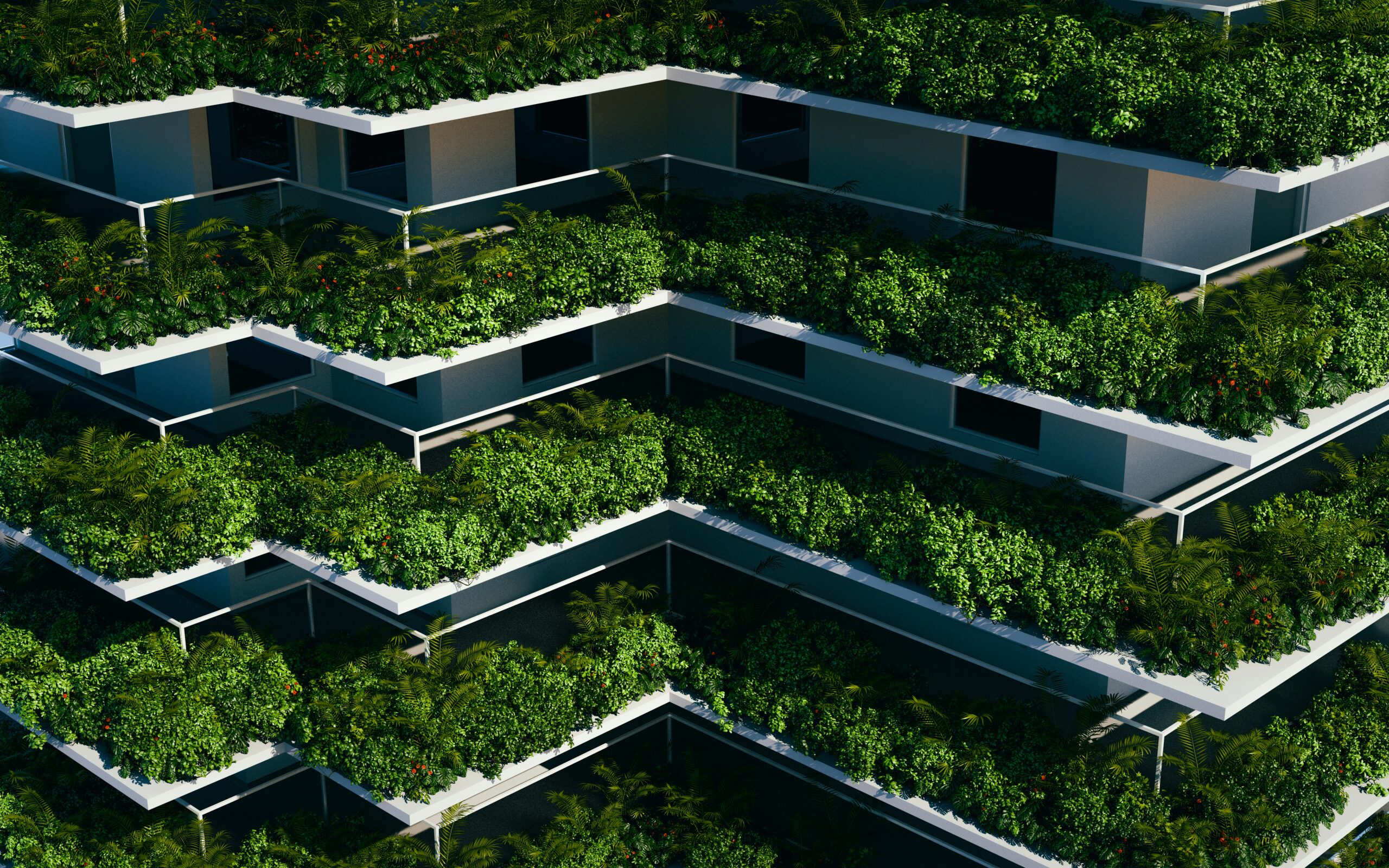
Green real estate shapes the future of modern property as more buyers look for healthier spaces and reliable long-term value. People want homes and workplaces that support comfort, protect natural resources, and reduce waste. This shift continues to grow because owners experience lower costs and better performance when they invest in sustainable features. The idea of green real estate no longer feels rare or unclear because developers and consumers understand its benefits. The market responds to these needs with intense creativity, and each new advancement strengthens the movement.
Modern property now follows a path that places environmental care at the center of growth. Builders learn fresh methods to reduce energy use, improve air quality, and extend building life. These improvements help both the planet and the communities that live within these spaces. Many people enjoy the boost in comfort and healthy well-being because efficient designs create cleaner, brighter environments. The value of green real estate remains steady as more people choose homes and buildings with innovative, sustainable features.
Energy Smart Design Drives Growth
Energy-smart design is a key driver of green real estate, reducing waste and improving comfort. Architects shape buildings to work with natural light and steady airflow. This strategy lowers heat gain and reduces the need for constant cooling. When natural design supports the structure, energy systems require less energy, and residents enjoy a stable indoor climate. These thoughtful choices made early in the planning stages set the tone for a strong, sustainable property.
Solar solutions also play a significant role in energy-smart design. Panels shape the rooflines of many modern properties because owners appreciate the clean energy source. Smart inverters help the panels perform well while digital systems track daily efficiency. This combination encourages responsible energy use and gives residents more control. The shift to solar helps many people reduce their dependence on traditional power sources and build a more resilient future.
Eco-Friendly Materials Improve Property Strength
Eco-friendly materials guide the evolution of green real estate by supporting strong, healthy buildings. Designers pay close attention to the sourcing and quality of these materials to minimize waste. Many builders now use recycled wood, reclaimed stone, or plant-based composites. These products limit environmental harm and add warmth and character to modern property design. People feel good when they know their homes reflect responsible choices and thoughtful craftsmanship.
Low-emission paints and adhesives offer another boost to indoor comfort. These products help maintain clean, fresh air throughout the building. Residents experience fewer irritants because the materials give off fewer chemicals. Healthy indoor spaces are gaining traction as a priority for families and workers who spend many hours indoors. When a property uses safe, durable materials, it builds trust and shows a strong commitment to long-term well-being.
Innovative Technology Elevates Property Experience
Innovative technology enhances green real estate by making daily tasks easier and more efficient. Automated lighting systems adjust brightness in response to natural light levels. This reduces energy use and keeps rooms pleasant throughout the day. Innovative climate tools take this further by learning residents’ habits. They adjust temperatures with great precision, saving energy and improving comfort. People enjoy these features because they simplify life while supporting sustainable living.
Water-saving technology also plays a significant role in modern property management. Intelligent irrigation systems sense soil moisture and guide the water flow. This helps landscapes stay healthy without waste. Many homes also use advanced fixtures that limit water loss without reducing performance. With these features, owners support conservation as part of their daily routine. Technology makes these practices easier and more consistent, which helps build long-term habits.
Community Focus Strengthens Green Real Estate
Green real estate extends beyond the walls of a building and shapes the community around it. Neighborhoods designed with open green areas encourage outdoor activity and social connection. Trees, gardens, and walking paths help people relax and take pride in their surroundings. These spaces also reduce heat buildup and improve air quality. When a community grows with care and intention, residents feel more grounded and engaged.
Shared resources also highlight the power of community-focused design. Many modern developments support shared solar systems, community gardens, or common workspaces. These ideas promote cooperation and reduce waste. They give people a chance to support one another while lowering costs and improving the quality of life. Developers notice these benefits and create new ways for communities to grow through sustainable action.
Market Demand Pushes Innovation Forward
The market for green real estate expands as buyers seek reliable, healthy homes and buildings. People understand that efficiency reduces long-term expenses. This awareness pushes developers to strengthen their strategies and create better solutions. Banks and investors also support sustainable projects because they show strong durability and value. These financial trends encourage broader adoption and faster innovation across the industry.
Many cities now encourage green development through supportive policies. These efforts offer guidance for builders who want to adopt clean energy systems, recycle construction waste, or improve water management. When government and industry work together, progress becomes smoother and grows faster. The combined effort creates a strong base for future development and inspires new ideas in sustainable property design.
The Future of Modern Property Begins with Green Real Estate
The future of modern property continues to be shaped by the principles of green real estate. People want comfort, clarity, and better health in the spaces they use each day. Developers understand this desire and push innovation to meet it. New ideas often emerge because demand remains steady. Sustainable buildings will shape the skyline and turn every city into a healthier place.
Green real estate stands at the center of this movement. It guides new design methods, inspires careful material selection, and embraces innovative technologies that support daily life. The journey feels firm and steady because each improvement builds trust among buyers and communities. As awareness grows, the market transforms and creates new standards for quality and performance. This shift opens the door to a future where every property reflects responsibility and thoughtful care.