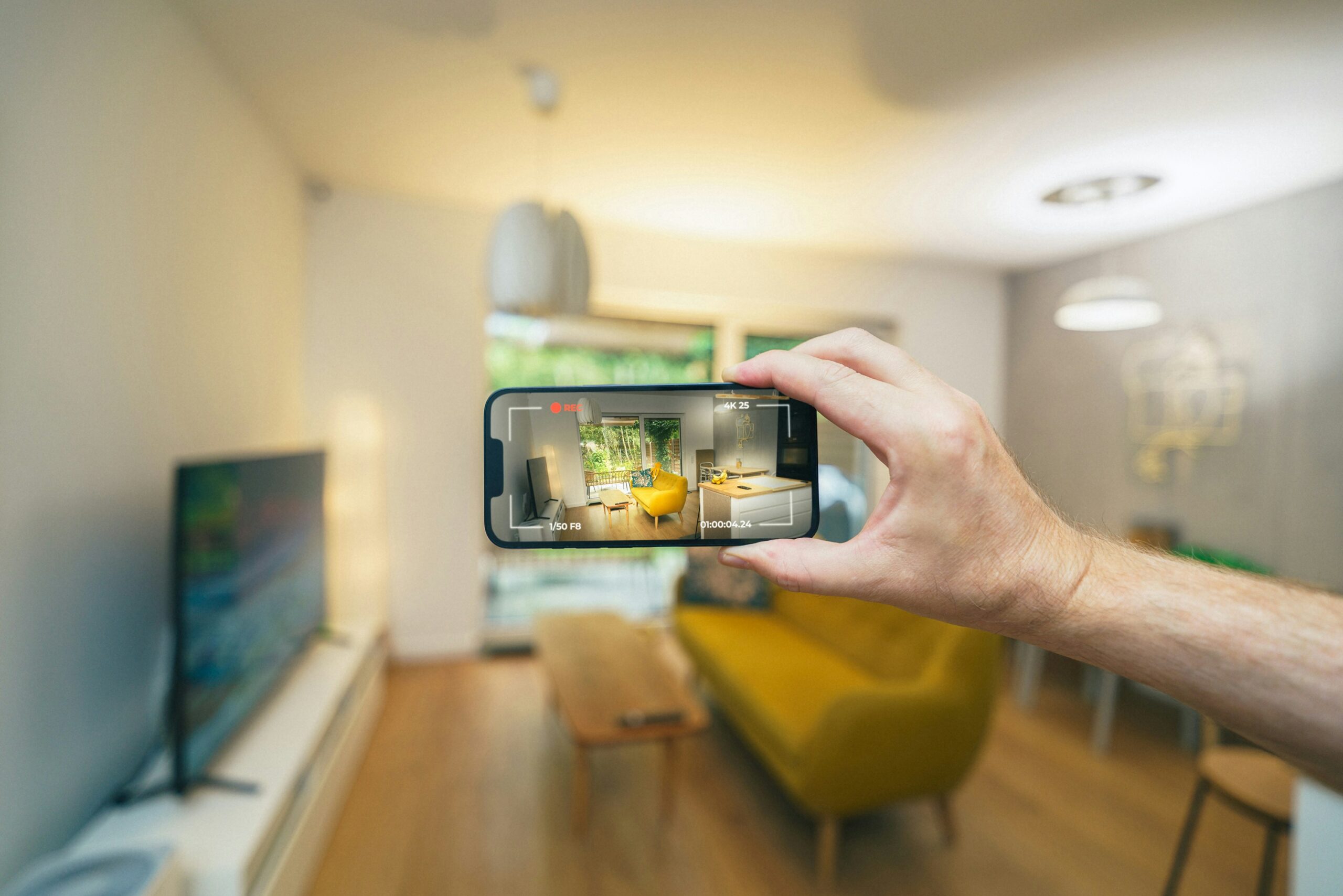
Virtual reality (VR) is no longer a futuristic concept but a present-day tool revolutionizing industries across the globe. One sector where VR is making a significant impact is real estate. The technology offers many opportunities for both real estate professionals and buyers. By providing immersive, interactive experiences, VR is changing how properties are marketed, bought, sold, and even designed. As this technology becomes more accessible and sophisticated, it is poised to become a staple in the real estate industry.
Transforming Property Tours and Showings
One of the most noticeable effects of VR in real estate is how it is transforming property tours and showings. Traditionally, homebuyers or investors would need to visit properties physically, often taking time out of their busy schedules to travel to multiple locations. With the advent of VR, however, potential buyers can now tour properties remotely from the comfort of their homes, using immersive 3D models or VR headsets to explore a home virtually.
This advancement not only saves time but also allows buyers to explore properties that are far beyond their immediate geographic location. For example, international investors or long-distance buyers can view properties across the globe without the need for expensive travel. Moreover, VR property tours offer a more interactive experience than static images or videos, enabling buyers to explore a home as they are physically inside. This shift makes it easier for buyers and sellers to engage in real estate transactions, speeding up decision-making and reducing barriers to entry.
Revolutionizing Real Estate Marketing
In addition to transforming property tours, VR is revolutionizing real estate marketing. For years, real estate agents relied heavily on traditional methods, such as photography and videos, to showcase properties. While these methods remain valuable, VR takes property marketing to a new level by providing immersive, interactive experiences. Through VR technology, real estate professionals can allow prospective buyers to walk through homes and explore different areas in real time.
This immersive experience goes beyond simple visual appeal. VR can allow potential buyers to engage with the space, enabling them to customize elements such as wall colors, furniture arrangements, or design features to envision themselves in the home better. With this interactive capability, buyers gain a much clearer understanding of a property’s potential, which can accelerate their decision-making process. Additionally, using VR for real estate marketing can make properties stand out in a crowded market, offering sellers a competitive edge and boosting interest in their listings.
Enhancing the Homebuying Experience
While traditional property showings involve simply viewing a space, VR elevates the experience by adding an element of interactivity. Buyers can use VR to explore homes in greater detail, delving into various rooms and spaces without physically being present. For instance, VR technology allows potential buyers to see a 360-degree view of the property, offering a more comprehensive understanding of how the space flows and how rooms are connected.
Moreover, VR tools also provide valuable insights for buyers, allowing them to visualize potential renovations or modifications. Whether adding a wall to create an extra room or reimagining a kitchen, VR will enable buyers to experiment with changes without the financial risk of undertaking the renovation themselves. This feature not only aids in decision-making but also helps buyers feel more confident in their purchases, knowing they can see the property’s full potential.
Virtual Staging: A Cost-Effective Solution
Traditional home staging can be costly, often involving renting furniture and decor, and the time and effort required to set everything up. However, VR has introduced a much more cost-effective solution: virtual staging. Virtual staging involves digital representations of a property’s furniture, decor, and design elements. This method allows real estate professionals to stage homes quickly and affordably, showcasing the property in its best light without needing physical staging.
Virtual staging has several advantages. Not only does it save time and money, but it also allows for more flexibility in marketing a property. Sellers can create different versions of a staged home, catering to various potential buyer preferences. For instance, a modern, minimalist aesthetic may appeal to some buyers, while others may prefer a cozy, traditional look. Virtual staging can easily adjust to accommodate these preferences, offering various design options without the need for costly changes to the actual property. As the demand for virtual staging grows, real estate agents can leverage this tool to provide more dynamic and appealing listings.
Streamlining the Transaction Process
Another area where VR makes waves is streamlining the real estate transaction process. Traditionally, purchasing a property can involve numerous steps, from property viewings to negotiations and, ultimately, the signing of contracts. However, many of these steps can be simplified or expedited with VR. For example, after touring a property virtually, a buyer can immediately move on to completing paperwork without needing to schedule multiple in-person meetings.
In the future, it’s possible that VR could also be integrated with digital contract signing and online financial transactions. This would make the entire real estate process more seamless and accessible, especially for remote or international buyers. With VR facilitating property tours and allowing buyers to complete transactions online, the entire real estate experience becomes much more convenient and streamlined. These advancements could help speed up the process and make real estate transactions more efficient for all parties involved.
Expanding Opportunities for Developers and Investors
Virtual reality is not only beneficial for buyers and agents but also offers significant advantages for developers and real estate investors. Developers can use VR to showcase projects still under construction, giving potential investors or buyers a virtual preview of the completed property. VR can fully present architectural plans and designs, helping stakeholders visualize the final product long before construction.
For investors, VR technology can be a powerful tool for evaluating potential projects. VR allows investors to explore and interact with properties in a way that wasn’t possible before, enabling them to make better-informed decisions. In addition, virtual models of buildings and developments can help investors assess various design elements and functional layouts, providing a clearer understanding of a property’s marketability. By integrating VR into the investment and development process, stakeholders can improve efficiency and make more strategic decisions.
Overcoming Geographic Barriers for International Buyers
In today’s globalized world, real estate transactions are increasingly happening across borders. International buyers may find it challenging to assess properties in different countries, but VR provides a solution by allowing them to tour properties remotely. With VR, international buyers can virtually visit homes and commercial properties, making it easier to assess potential investments without traveling.
Additionally, VR can give international buyers a sense of the surrounding area, offering a better understanding of the neighborhood and local amenities. This ability to virtually explore property and its location can overcome significant geographic barriers, expanding the pool of potential buyers and investors for real estate professionals. As the demand for international properties continues to rise, VR will play an increasingly important role in bridging the gap between buyers and properties worldwide.