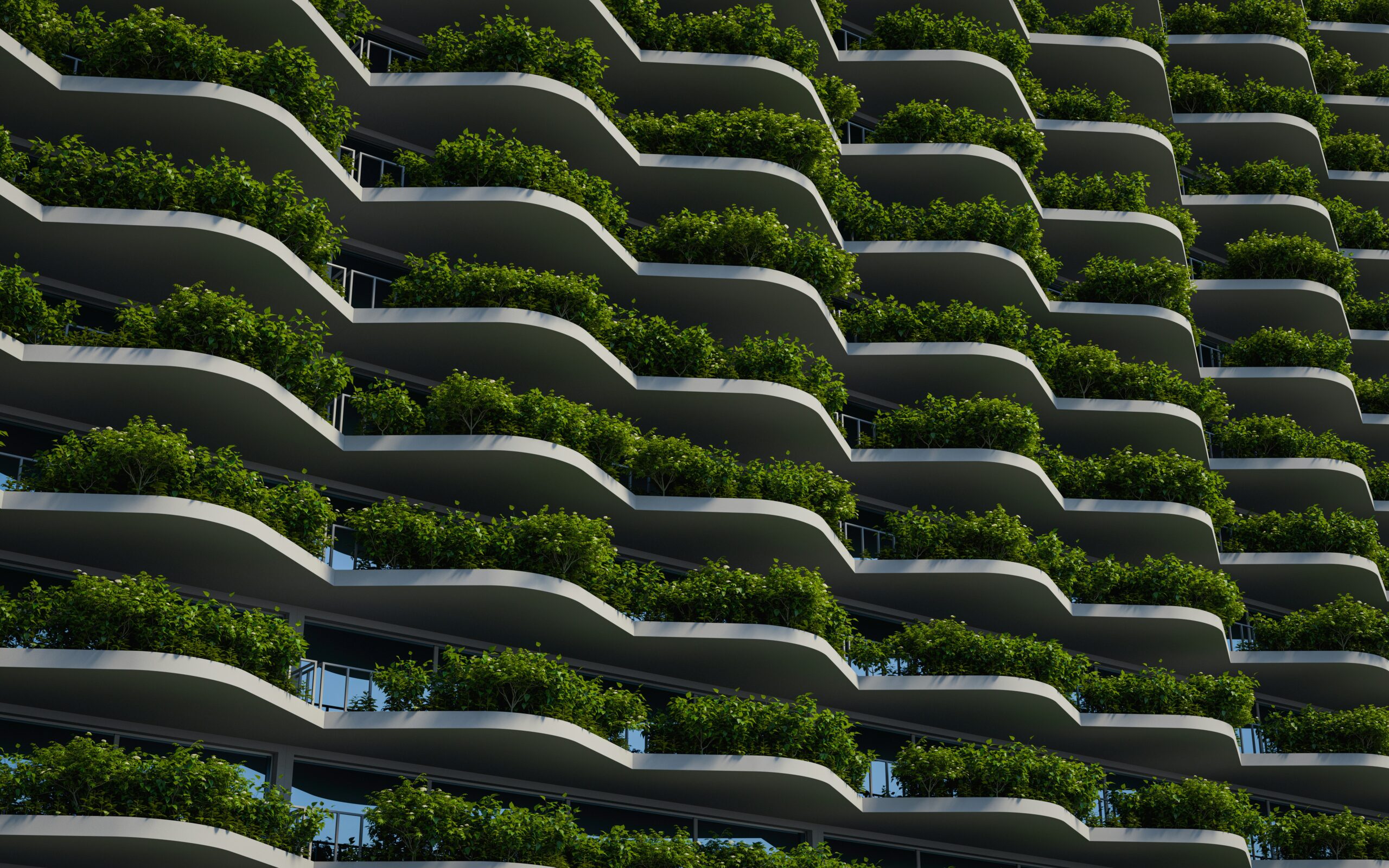
The world of property is changing rapidly, and one of the biggest shifts is toward sustainable, green real estate practices. Builders, buyers, and investors now care more about the environment than ever before. This change is not just a trend; it is a real need because of climate change and rising energy costs. People want homes and buildings that save energy, reduce waste, and support healthy living. Governments also support green buildings by offering tax benefits and new rules. Because of this, developers are now using smarter designs and eco-friendly materials. These changes help reduce pollution and improve long-term value. Green buildings also attract more buyers because they lower utility bills. This makes them both environmentally and financially smart choices. As cities grow, the need for better, greener spaces becomes increasingly important. That is why sustainable real estate is now a key focus in modern development.
Smart Building Design and Energy Efficiency
Modern buildings now use smart design to reduce energy use and improve comfort. Architects plan buildings to make use of natural light and airflow. This reduces the need for artificial lighting and air conditioning. For example, large windows and open layouts help sunlight enter deeper into rooms. This simple design choice can significantly reduce electricity use. Builders also use insulation to keep heat inside during winter and outside during summer. This helps maintain a stable indoor temperature. Energy-efficient appliances and LED lighting are now common in new projects. These features reduce energy consumption without affecting performance. Many buildings also use smart systems that automatically control lighting, heating, and cooling. These systems adjust based on occupancy and time of day. As a result, energy is not wasted when rooms are empty. All these steps make buildings more efficient and eco-friendly. They also reduce long-term costs for owners and tenants.
Eco-Friendly Materials and Sustainable Construction
Another major development in sustainable real estate is the use of eco-friendly materials. Builders now choose materials with a low environmental impact. These include recycled steel, bamboo, and reclaimed wood. These materials reduce the need for new raw resources. They also lower the carbon footprint of construction projects. In addition, many developers now avoid harmful chemicals in paints and finishes. This helps improve indoor air quality. Healthy indoor air is important for people who live and work inside buildings. Green construction also focuses on reducing waste during construction. Contractors now plan carefully to use materials efficiently. They also recycle leftover materials instead of sending them to landfills. This reduces pollution and supports a circular economy. Over time, these practices make construction more responsible and less harmful. They also create safer and healthier living environments for everyone.
Renewable Energy Integration in Real Estate
The use of renewable energy is growing fast in the real estate sector. Solar panels are now one of the most common features in green buildings. They help generate clean electricity and reduce dependence on fossil fuels. Many buildings also use solar water heaters to save energy. Wind energy and geothermal systems are also becoming popular in some areas. These systems provide clean power without harming the environment. By using renewable energy, buildings can significantly reduce their carbon emissions. This supports global efforts to fight climate change. Some buildings even produce more energy than they use. These are called net-zero energy buildings. They are a major step forward in sustainable development. Governments often support these projects with incentives and grants. This encourages more developers to adopt green technologies. In the middle of this progress, the concept of green building innovations is shaping how modern properties are designed and powered. These innovations make buildings smarter, cleaner, and more efficient than ever before.
Water Conservation and Waste Management Systems
Water is a valuable resource, and modern buildings are designed to use it wisely. Many green buildings now include systems that reduce water waste. Low-flow faucets and toilets help save water without reducing performance. Rainwater harvesting systems collect and store rainwater for later use. This water can be used for gardening, cleaning, or even flushing toilets. Greywater recycling systems also play an important role. These systems reuse water from sinks and showers for other purposes. This reduces the demand for fresh water. Waste management is another key part of sustainable real estate. Buildings now include proper systems for sorting and recycling waste. Residents are encouraged to separate organic and recyclable materials. Some buildings even use composting systems to turn waste into useful products. These practices reduce landfill waste and support environmental health. Over time, they also help reduce costs for waste disposal and water usage.
Green Certifications and Market Demand Growth
Green certifications are becoming very important in the real estate market. Certifications such as LEED and EDGE indicate that a building meets specific environmental standards. These certifications help buyers and investors identify eco-friendly properties. They also increase a building’s market value. Properties with green certifications often sell faster and at higher prices. This is because people trust certified buildings more. They know these buildings save energy and offer better living conditions. Developers now aim to achieve these certifications to stay competitive. The demand for green buildings is growing rapidly worldwide. More people want homes that support health and sustainability. Businesses also prefer offices that reduce their environmental impact. This demand is pushing the market toward greener solutions. As awareness increases, more projects will follow sustainable practices. In the long run, eco-friendly real estate trends will continue to shape the future of property development.