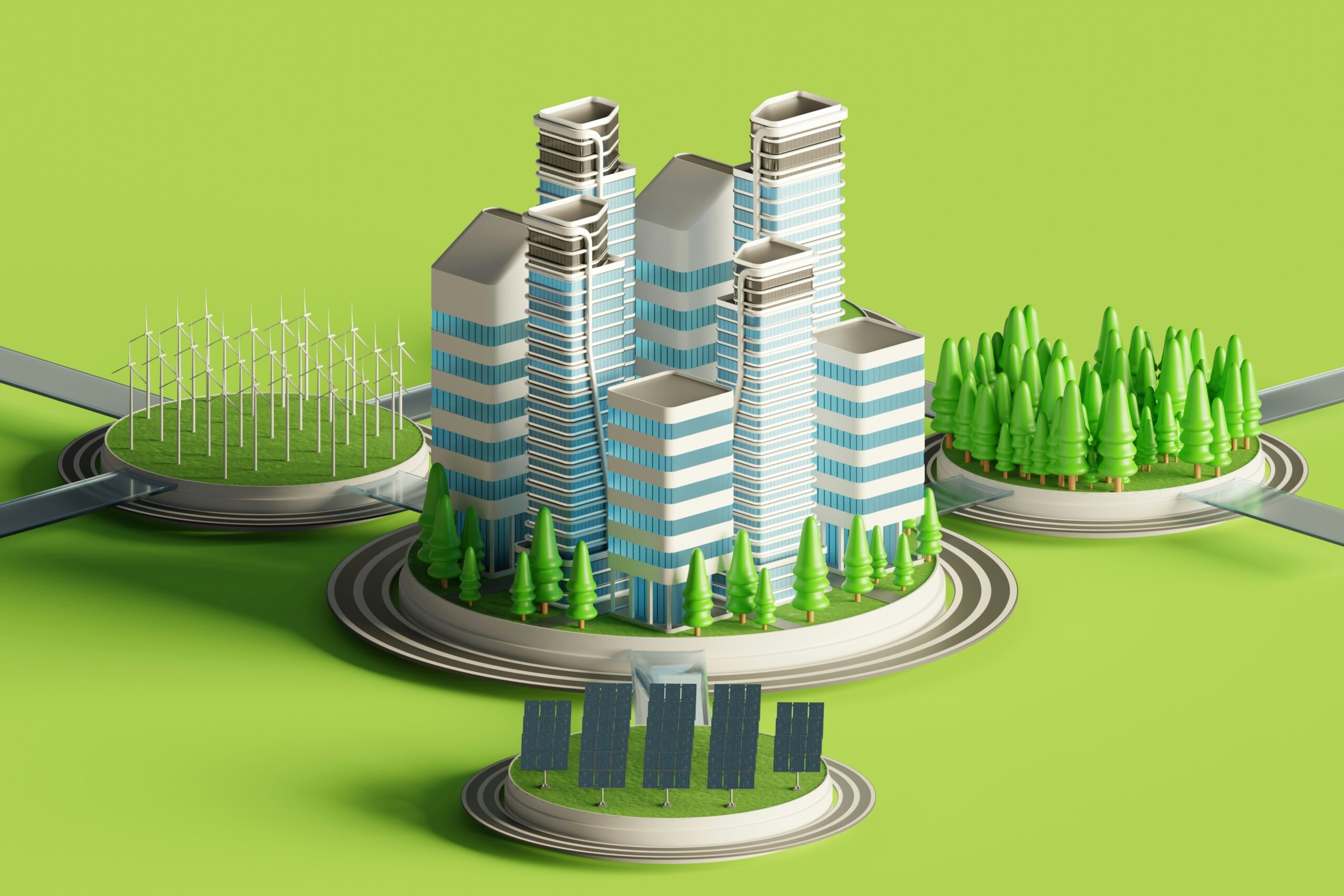
The real estate industry is changing faster than ever before. Technology is reshaping how people buy, sell, and manage properties. At the same time, sustainability is becoming a top priority for developers and investors. In addition, globalization is connecting markets across borders in new and powerful ways. As these trends grow, they will define the future of real estate in the United States and around the world.
Today, buyers expect more transparency, faster service, and smarter tools. Therefore, companies must adapt to stay competitive. Real estate professionals who embrace innovation will lead the next generation of growth. Meanwhile, those who resist change may struggle to keep up. As a result, understanding these three forces is essential for success.
Technology Is Transforming Every Step of the Process
Technology now influences every stage of a real estate transaction. For example, online listings allow buyers to search for homes from anywhere. In addition, virtual tours let them explore properties without visiting in person. As a result, buyers save time and make better decisions.
Artificial intelligence also plays an increasingly important role. AI tools analyze market data and predict price trends. Therefore, investors can identify opportunities more quickly. At the same time, agents use customer data to match clients with properties that fit their needs. This improves efficiency and increases satisfaction.
Furthermore, blockchain technology enables secure, transparent transactions. It reduces paperwork and lowers the risk of fraud. As a result, buyers and sellers can complete deals with greater confidence. Smart contracts may soon automate many parts of the closing process. Consequently, transactions could become faster and more reliable.
Drones and 3D mapping also improve property development. Developers use these tools to survey land and monitor construction. Meanwhile, property managers rely on smart sensors to track energy use and maintenance needs. As a result, buildings operate more efficiently and cost less to maintain.
Technology also improves communication. Mobile apps allow agents to respond quickly to client questions. In addition, digital platforms streamline document sharing and e-signatures. Therefore, deals close faster than ever before. Overall, technology increases speed, accuracy, and convenience across the entire industry.
Sustainability Drives Long-Term Value
Sustainability has become a key factor in real estate development. Buyers now care about energy efficiency and environmental impact. Therefore, developers design buildings with green features. These features include solar panels, energy-efficient windows, and smart heating systems.
Green buildings reduce utility costs. As a result, owners save money over time. In addition, sustainable properties often attract higher rental demand. Tenants prefer buildings with lower carbon footprints. Consequently, investors see stronger long-term returns.
Water conservation also plays an important role. Developers install low-flow fixtures and smart irrigation systems. Meanwhile, communities promote green spaces and walkable neighborhoods. These improvements enhance quality of life and increase property values.
Furthermore, governments encourage sustainability through incentives and regulations. Tax credits support energy-efficient upgrades. Building codes also require higher environmental standards. As a result, real estate companies must plan carefully and meet these requirements.
Sustainability is not just about the environment. It also supports economic stability. For example, energy-efficient buildings reduce operating costs during economic downturns. Therefore, they remain attractive to investors even when markets slow down. In addition, sustainable communities often show stronger long-term growth.
Consumers increasingly expect transparency about environmental performance. Therefore, companies now report energy data and sustainability metrics. This information builds trust and improves reputation. As a result, businesses that focus on sustainability gain a competitive advantage.
Globalization Expands Opportunities and Competition
Globalization has opened new doors in real estate. Investors can now buy properties in different countries with ease. As a result, markets have become more connected. International capital flows influence prices and development trends.
Foreign investment plays a major role in major cities. Investors seek stable markets and strong returns. Therefore, cities with economic growth attract global attention. At the same time, local developers compete with international firms. This competition drives innovation and improves quality.
Technology supports globalization by removing barriers. Online platforms allow cross-border transactions. In addition, digital communication tools make collaboration simple. Therefore, teams can work together across time zones without difficulty.
Global trends also affect housing demand—migration, remote work, and economic shifts influence where people choose to live. As a result, suburban and secondary markets often experience growth. Meanwhile, urban centers adapt by offering mixed-use developments and flexible spaces.
Furthermore, global supply chains impact construction costs. Materials may come from different countries. Therefore, companies must manage logistics carefully. Economic events in one region can affect projects worldwide. As a result, risk management becomes more important than ever.
Investors now look at global data when making decisions. They study interest rates, currency trends, and political stability. Consequently, real estate strategies require a broader perspective. Global awareness helps companies reduce risk and increase opportunity.
Smart Cities Shape the Next Generation of Communities
Smart cities combine technology, sustainability, and connectivity. They use data to improve transportation, energy use, and public services. Therefore, residents enjoy better living conditions.
For example, smart traffic systems reduce congestion. In addition, public transportation apps provide real-time updates. As a result, people move more efficiently through cities. This improves productivity and reduces stress.
Energy grids also become smarter. Sensors monitor demand and adjust supply. Consequently, cities reduce waste and improve reliability. Buildings connect to these systems and share data. Therefore, real estate development aligns with urban planning goals.
Smart cities also support remote work. Flexible office spaces adapt to changing needs. Meanwhile, mixed-use developments combine residential, retail, and office areas. As a result, communities become more convenient and sustainable.
Developers who align with smart city goals position themselves for long-term success. Because technology and sustainability work together, future projects will integrate both. Therefore, innovation and environmental responsibility will remain central to growth.
The Role of Data in Decision-Making
Data now guides nearly every real estate decision. Investors analyze market trends before buying properties. In addition, agents use analytics to accurately price homes. Therefore, decisions rely less on guesswork and more on facts.
Big data tools collect information from many sources. These sources include property records, economic reports, and consumer behavior patterns. As a result, companies gain deeper insights. They can predict demand and adjust strategies quickly.
Data also improves risk management. Investors identify potential challenges early. Therefore, they can plan for market changes. In addition, lenders use data to evaluate credit risk. This creates a more stable financial system.
Because data drives strategy, cybersecurity becomes critical. Companies must protect sensitive information. Therefore, they invest in secure systems and training. As a result, trust in digital transactions remains strong.
Preparing for the Next Decade
The future of real estate will depend on adaptability. Companies that embrace technology, sustainability, and globalization will thrive. However, success requires continuous learning and investment.
Professionals should develop digital skills. In addition, they must understand environmental standards and global markets. Therefore, education and training will play a key role. Collaboration between developers, governments, and technology firms will also grow.
Moreover, customer expectations will continue to rise. Buyers want convenience, transparency, and value. Therefore, businesses must deliver seamless experiences. When companies combine innovation with strong service, they build long-term relationships.