The future of real estate lies in innovation, sustainability, and efficiency, and nothing exemplifies this more than the rise of green real estate. As the world moves toward more responsible living, both developers and buyers are turning to eco-friendly solutions that reduce environmental impact and promote healthier lifestyles. Green real estate is not just a buzzword; it represents a fundamental shift in how buildings are designed, constructed, and managed to minimize energy use, reduce waste, and conserve natural resources.
Across the globe, climate concerns, resource scarcity, and stricter environmental regulations are pushing the real estate industry to transform. From residential complexes to high-rise commercial spaces, green real estate integrates energy-saving technologies, sustainable materials, and intelligent planning. It’s not just about going green; it’s about building innovative, functional environments that improve human well-being and the planet’s health.
Certifications Guiding Sustainable Success
One of the most significant drivers behind the green real estate movement is the growing adoption of green building certifications. Programs such as LEED, BREEAM, and the WELL Building Standard are setting the benchmark for environmentally responsible construction. These certifications serve as roadmaps for developers, helping them achieve high performance in areas such as energy efficiency, water conservation, and indoor air quality. Buildings with these certifications not only appeal to eco-conscious buyers but also command higher market value and long-term savings.
In green real estate, obtaining certification is no longer optional; it’s a strategic move that reflects a builder’s commitment to sustainability and quality. Tenants and investors are paying close attention to these certifications as indicators of trust, efficiency, and ethical responsibility. As the demand grows, more developers are prioritizing certification early in the design process, ensuring that projects meet the highest environmental standards from the ground up.
Net-Zero Energy Buildings on the Rise
A standout trend in the green real estate sector is the development of net-zero-energy buildings. These buildings generate as much energy as they consume, resulting in a neutral environmental footprint. Through renewable energy installations such as solar panels and advanced HVAC systems, these structures are designed to operate efficiently and independently, reducing costs over time. Net-zero construction has become a powerful symbol of commitment to climate-positive development.
As governments set new sustainability targets, many cities are offering incentives for net-zero construction, making it an attractive option for forward-thinking developers. Green real estate projects that achieve net-zero status not only contribute to global emissions reductions but also position themselves at the forefront of innovation. With ongoing advancements in energy storage and smart grid integration, net-zero buildings are becoming more feasible and accessible than ever before.
Technology Powering Smart Green Buildings
Technology is at the heart of green real estate innovation. Smart buildings now integrate digital systems that monitor and optimize energy use, automate lighting and climate control, and manage water usage with precision. These systems not only make properties more efficient but also improve occupant comfort, productivity, and safety. Green real estate projects increasingly rely on data-driven tools to fine-tune performance and lower operational costs.
Artificial intelligence, machine learning, and the Internet of Things are creating a new era of intelligent real estate. Through smart meters and connected devices, buildings continuously monitor resource usage and adjust settings in real time. This seamless interaction between humans and built environments leads to smarter energy consumption and stronger sustainability outcomes, reinforcing the green real estate commitment to progress and efficiency.
Biophilic Design Connecting Nature and Living Spaces
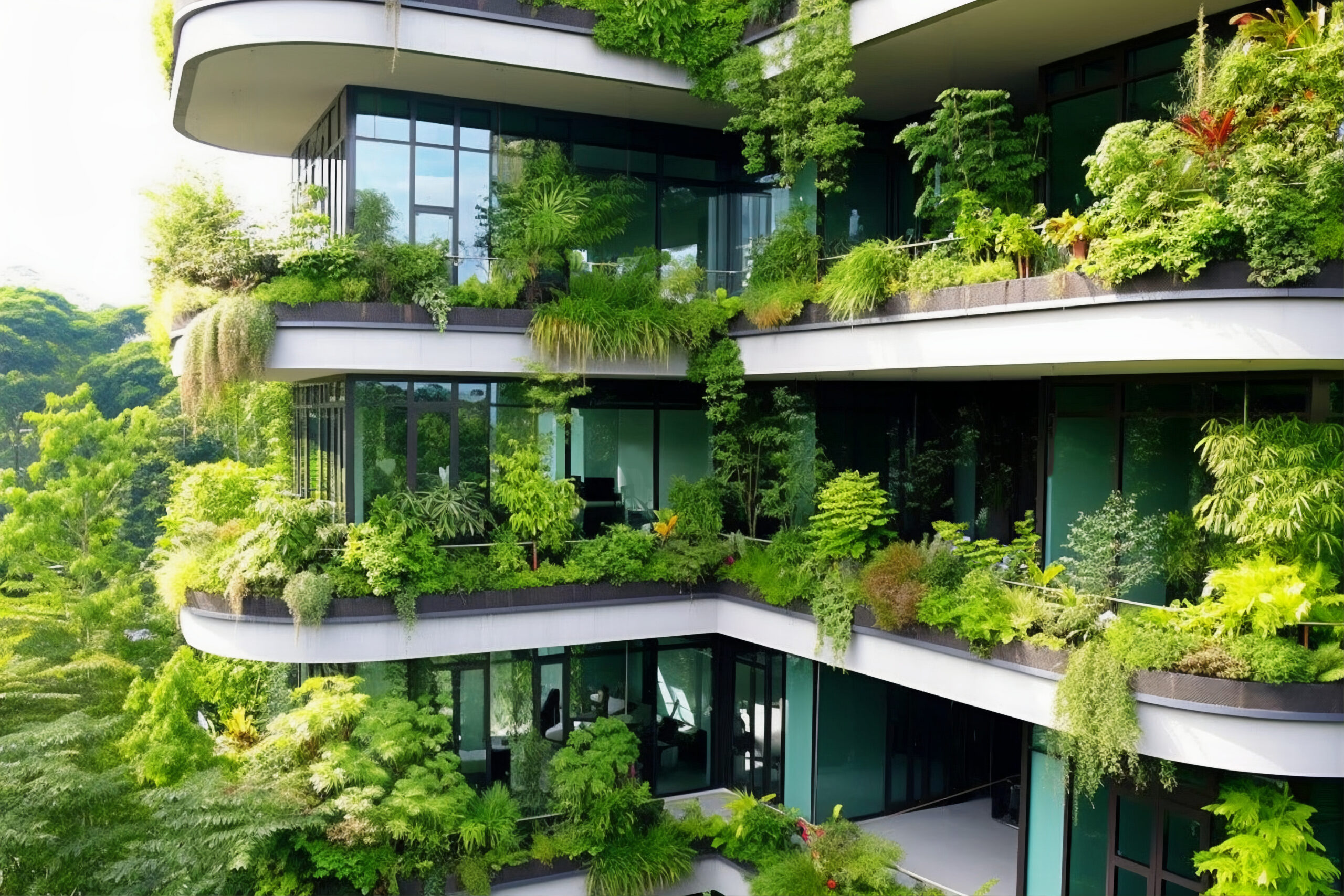
Biophilic design is an essential element of modern green real estate development. This design philosophy incorporates natural elements such as plants, water features, sunlight, and ventilation to enhance the health and well-being of building occupants. By prioritizing access to green spaces and natural materials, developers create environments that reduce stress, improve focus, and support emotional wellness.
Green real estate projects with biophilic design not only promote physical health but also reduce energy consumption. Natural light reduces the need for artificial lighting, while vegetation helps regulate indoor temperatures and improve air quality. These benefits are significant in urban settings where people have limited interaction with nature. As a result, biophilic design is becoming a competitive edge for developers who want to create spaces that truly nurture people.
Adaptive Reuse as a Green Construction Strategy
Green real estate is not limited to new buildings; adaptive reuse is another growing trend. Instead of demolishing old buildings, developers are repurposing them into modern, energy-efficient spaces. This approach conserves materials, reduces landfill waste, and preserves architectural heritage. It aligns with the core principles of green real estate by reducing the carbon footprint associated with traditional demolition and construction.
The success of adaptive reuse projects lies in their ability to combine sustainability with creativity. Abandoned warehouses become trendy lofts, historic schools are transformed into boutique hotels, and outdated office spaces become vibrant coworking hubs. These projects breathe new life into communities while honoring the past, proving that green real estate is as much about innovation as it is about preservation.
Eco-Conscious Materials Gaining Popularity
Material selection is a critical component of any green real estate project. Developers now prioritize sustainable, recycled, and non-toxic materials that reduce environmental harm and improve occupant health. Materials like reclaimed wood, bamboo, recycled steel, and low-VOC paints are widely used in eco-friendly property development. These choices not only support sustainability but also elevate the aesthetic appeal of buildings.
As consumer awareness grows, so does the demand for transparency in material sourcing and environmental impact. Green real estate professionals work closely with suppliers to ensure materials meet high ecological standards. The result is a building that looks beautiful, functions efficiently, and aligns with the values of modern, responsible living.
Incentives Driving Sustainable Investment
Government policies and financial incentives are accelerating the adoption of green real estate. Tax credits, rebates, and grants make it more affordable for builders and homeowners to invest in energy-efficient solutions. Many cities now require green certifications for new developments, further encouraging the shift toward sustainability.
These policies not only support environmental goals but also drive economic growth. Green real estate projects often create jobs in renewable energy, construction, and technology sectors. They also attract investment from funds that prioritize environmental, social, and governance (ESG) performance. Aligning financial returns with ecological responsibility is strengthening the future of green real estate worldwide.