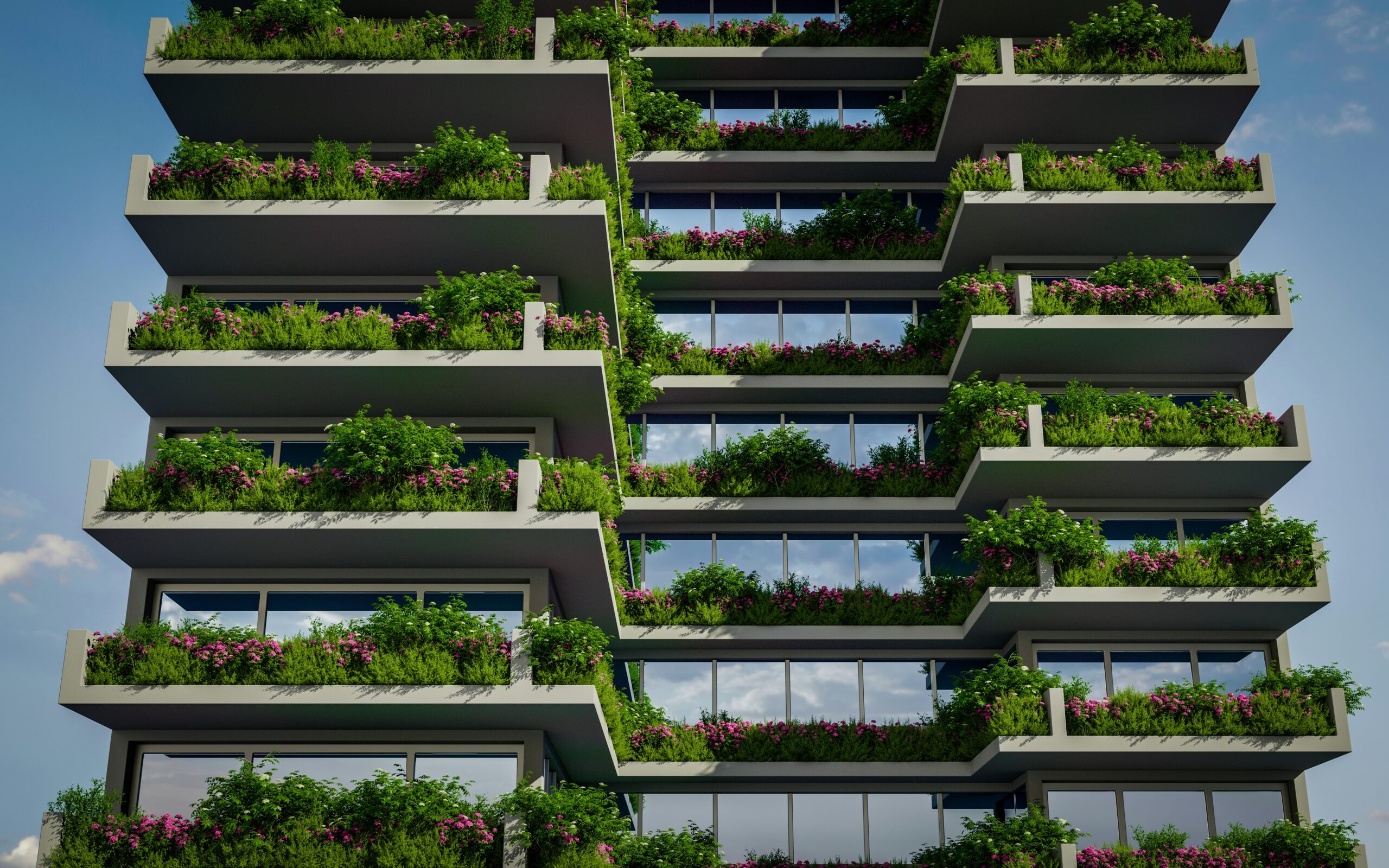
The real estate industry is undergoing a significant transformation as green homes move from niche appeal to mainstream demand. Today’s buyers are more environmentally aware, cost-conscious, and health-focused than ever before. This shift in mindset has pushed developers, architects, and homeowners to prioritize sustainability, not just as a design choice but as a long-term investment in value and well-being. A single feature, such as solar panels or efficient insulation, no longer defines green homes. Instead, they represent a holistic approach to living that blends innovative design, responsible materials, energy efficiency, and technology. As sustainability becomes deeply embedded in housing expectations, eco-smart homes are reshaping property trends and redefining what it means to build for the future.
Image keywords that align well with this topic include green homes, sustainable real estate, eco-friendly housing, energy-efficient homes, and modern sustainable living.
The Shift Toward Sustainability in Residential Real Estate
The evolution of green homes reflects a broader change in how society views housing and environmental responsibility. Earlier sustainable efforts focused on reducing energy bills, but modern green homes aim to minimize environmental impact while enhancing quality of life. Buyers are increasingly aware that their housing choices affect climate change, resource use, and personal health.
This shift is also supported by policy changes and incentives that encourage sustainable construction. Governments and local authorities are promoting energy-efficient homes through tax benefits and stricter building codes. As a result, sustainability is no longer optional but a defining standard in residential real estate development.
Energy Efficiency as a Foundation of Green Homes
Energy efficiency remains the backbone of sustainable housing. High-performance insulation, energy-efficient windows, and advanced HVAC systems significantly reduce energy consumption while maintaining indoor comfort. These features help homeowners lower utility costs while reducing their carbon footprint.
Innovative energy solutions are further enhancing this efficiency. Intelligent thermostats and automated energy systems adapt to daily routines and environmental conditions. In real estate markets, homes with proven energy efficiency consistently attract stronger interest and higher long-term value.
Renewable Energy Integration in Modern Housing
Renewable energy has become a defining trend in the evolution of green homes. Solar power is now widely adopted, with many new developments incorporating panels as a standard feature rather than an upgrade. Homeowners benefit from reduced reliance on traditional power sources and increased energy independence.
Beyond solar, innovations such as geothermal heating systems and battery storage are gaining traction. These technologies improve resilience during power outages and stabilize long-term energy costs. Properties that integrate renewable energy often stand out in competitive markets due to their future-ready design.
Sustainable Materials and Responsible Construction
The materials used to build a home significantly affect its environmental impact. Modern green homes emphasize sustainable materials, including recycled steel, reclaimed wood, bamboo flooring, and low-emission concrete alternatives. These choices reduce waste and lower the construction industry’s carbon footprint.
Responsible construction practices are equally important. Builders are adopting methods that minimize material waste and reduce water use during development. This approach not only supports sustainability goals but also improves efficiency and cost control, making green construction more accessible.
Water Efficiency and Smart Conservation Systems
Water conservation is becoming a critical component of sustainable housing. Green homes often include low-flow fixtures, water-efficient appliances, and rainwater harvesting systems. These features help reduce water usage without sacrificing comfort or functionality.
Intelligent water management systems add another layer of efficiency by monitoring usage and detecting leaks early. This technology protects both the environment and the homeowner’s investment. As water scarcity becomes a growing concern, water-efficient homes are gaining increased relevance in real estate markets.
Indoor Air Quality and Health-Centered Design
One of the most impactful benefits of green homes is improved indoor air quality. Sustainable housing prioritizes proper ventilation, non-toxic materials, and low-VOC paints and finishes. These features reduce exposure to pollutants and allergens, supporting healthier living environments.
Health-centered design also includes access to natural light and thoughtful spatial planning. Homes designed with wellness in mind promote better sleep, productivity, and mental well-being. Buyers are increasingly recognizing the connection between sustainability and personal health, making this a powerful driver of demand.
Smart Home Technology Supporting Sustainability
Smart home technology plays a key role in the evolution of green homes. Automated lighting, climate control, and appliance management systems reduce unnecessary energy and water use. These systems make sustainable living easier by adapting to occupant behavior rather than relying on manual effort.
Data insights from innovative technology empower homeowners to make informed decisions about their consumption. Real-time feedback encourages responsible habits and long-term efficiency. The combination of innovative technology and sustainability is shaping a new standard for modern housing.
Community-Level Sustainability and Green Developments
Sustainability extends beyond individual homes to entire residential communities. Green developments emphasize walkability, access to public transportation, and shared green spaces. These features reduce car dependency and support lower emissions at a neighborhood level.
Community-level sustainability also includes renewable energy infrastructure, efficient waste management, and water conservation systems. Buyers are increasingly drawn to developments that reflect shared environmental values and long-term livability. These communities represent the future of sustainable urban planning.
Market Value and Investment Benefits of Green Homes
Green homes are proving their financial value across real estate markets. Energy-efficient and sustainable properties often sell faster and achieve stronger price performance. Lower operating costs and future-ready features make them appealing to both buyers and investors.
From an investment standpoint, sustainable homes reduce long-term risk. They are better positioned to meet evolving regulations and rising energy costs. As sustainability becomes a benchmark for quality, green homes are increasingly viewed as resilient and stable assets.
Overcoming Barriers to Green Home Adoption
Despite growing demand, green homes still face challenges, including higher upfront costs and limited consumer awareness. Some buyers remain uncertain about the return on investment or the complexity of sustainable features. Education plays a critical role in addressing these concerns.
As technology advances and economies of scale improve, costs are gradually decreasing. Incentives, financing options, and transparent communication are helping bridge the gap. Overcoming these barriers will accelerate the transition toward more sustainable housing.
The Future of Green Homes in Real Estate
The future of residential real estate is closely tied to sustainability. Green homes will continue to evolve through innovation in materials, technology, and design. Climate-resilient construction, artificial intelligence, and advanced energy systems will further enhance performance and adaptability.
As sustainable real estate trends continue to shape buyer expectations, green homes will become the standard rather than the exception. Builders, investors, and homeowners who embrace eco-smart living today are helping define a housing market that balances environmental responsibility, long-term value, and modern comfort.