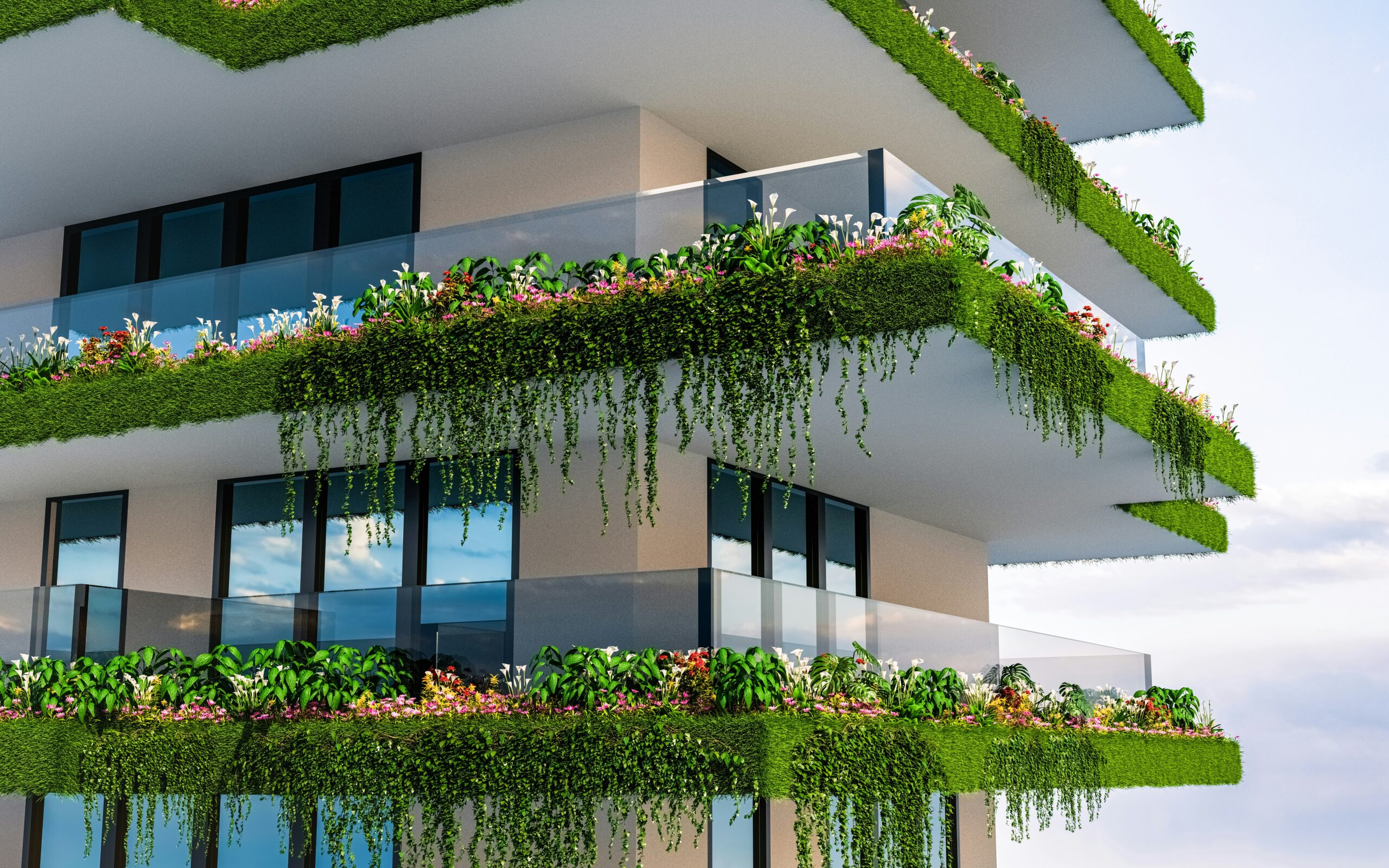
Sustainability is no longer a niche concept in housing—it has become a defining feature of modern real estate. As climate awareness grows and energy costs fluctuate, homeowners and buyers alike are seeking properties that are not only comfortable and stylish but also environmentally responsible. Green homes, once viewed as experimental or expensive, are now mainstream, driven by innovation, policy changes, and shifting consumer values.
The evolution of green homes reflects a broader change in how people think about living spaces. Today’s sustainable homes combine advanced technology, smart design, and healthier materials to create environments that benefit both occupants and the planet. From energy efficiency to water conservation, the features shaping green homes are influencing buying decisions and redefining property value across the U.S. housing market.
The Early Foundations of Sustainable Housing
The concept of green homes began with simple ideas focused on reducing energy waste and improving insulation. Early sustainable houses emphasized passive design strategies such as proper orientation, natural lighting, and improved airflow. These homes were designed to work with the environment rather than against it, reducing reliance on mechanical heating and cooling systems.
While these early efforts were effective, they were often limited by available technology and higher upfront costs. As a result, green homes were mostly adopted by environmentally conscious homeowners willing to invest for long-term savings rather than immediate returns.
Energy Efficiency as a Core Standard
Energy efficiency has become the backbone of modern green homes, transforming from an optional upgrade into a standard expectation. High-performance insulation, energy-efficient windows, and advanced HVAC systems are now common in sustainable construction. These features significantly reduce energy consumption while maintaining indoor comfort year-round.
In addition to building materials, smart energy management systems play a crucial role. Programmable thermostats, energy monitoring apps, and automated lighting help homeowners track and control usage in real time. This not only lowers utility bills but also empowers residents to make more conscious energy choices.
Solar Power and Renewable Energy Integration
Solar energy has moved from being a luxury feature to a practical investment for many homeowners. Advances in photovoltaic technology have made solar panels more affordable, efficient, and visually appealing. In many regions, incentives and tax credits further encourage adoption, making renewable energy an attractive selling point in real estate listings.
Beyond rooftop solar panels, green homes are increasingly designed to support future renewable upgrades. Battery storage systems, solar-ready roofs, and integration with local power grids allow homeowners to maximize energy independence and resilience, especially during power outages or peak demand periods.
Smart Home Technology and Sustainability
Smart home technology has become a powerful ally in sustainable living. Automated systems optimize energy and water use by responding to real-time conditions and user behavior. From motion-sensor lighting to smart irrigation controllers, technology helps reduce waste without sacrificing convenience.
These systems also enhance the overall living experience. Voice-controlled devices, integrated home apps, and remote monitoring allow homeowners to manage their property efficiently. In the real estate market, smart sustainability features appeal to tech-savvy buyers looking for homes that align with modern lifestyles.
Water Conservation and Efficient Design
Water efficiency is another key trend shaping green homes, especially in areas facing drought or water scarcity. Low-flow fixtures, dual-flush toilets, and water-efficient appliances significantly reduce consumption without affecting performance. These features are now widely expected in eco-friendly properties.
Beyond indoor use, sustainable landscaping plays a major role. Native plants, drought-resistant gardens, and rainwater harvesting systems minimize outdoor water demand. Together, these strategies help homeowners lower utility costs while supporting responsible water management.
Health-Focused and Eco-Friendly Materials
The evolution of green homes extends beyond energy and water to include healthier indoor environments. Builders now prioritize non-toxic, low-VOC paints, adhesives, and finishes that improve indoor air quality. Natural materials such as bamboo flooring, reclaimed wood, and recycled metal reduce environmental impact while adding aesthetic value.
These material choices benefit both occupants and the planet. Health-focused design reduces allergens and pollutants, creating safer living spaces. At the same time, sustainable sourcing and manufacturing practices appeal to buyers who value ethical and environmentally responsible construction.
Policy, Certifications, and Market Influence
Government policies and green building certifications have played a significant role in accelerating sustainable home trends. Programs such as ENERGY STAR, LEED, and local green building codes set performance benchmarks and encourage higher construction standards. Homes with recognized certifications often command higher resale values and attract environmentally conscious buyers.
As awareness grows, real estate professionals are increasingly highlighting green features in their marketing strategies. Buyers are not only interested in monthly savings but also in long-term environmental impact. This shift has made sustainability a competitive advantage rather than a niche selling point.
The Future of Green Homes in Real Estate
Looking ahead, green homes are expected to become even more integrated into everyday housing. Innovations such as net-zero energy homes, carbon-neutral construction, and advanced building materials are already gaining momentum. These developments aim to reduce environmental impact while maintaining affordability and scalability.
The future of real estate will likely be defined by sustainability as a lifestyle rather than a feature. As technology advances and consumer expectations evolve, green homes will continue to shape how communities are built, marketed, and valued across the country. In this changing landscape, sustainable living is no longer just a trend—it is the new standard.