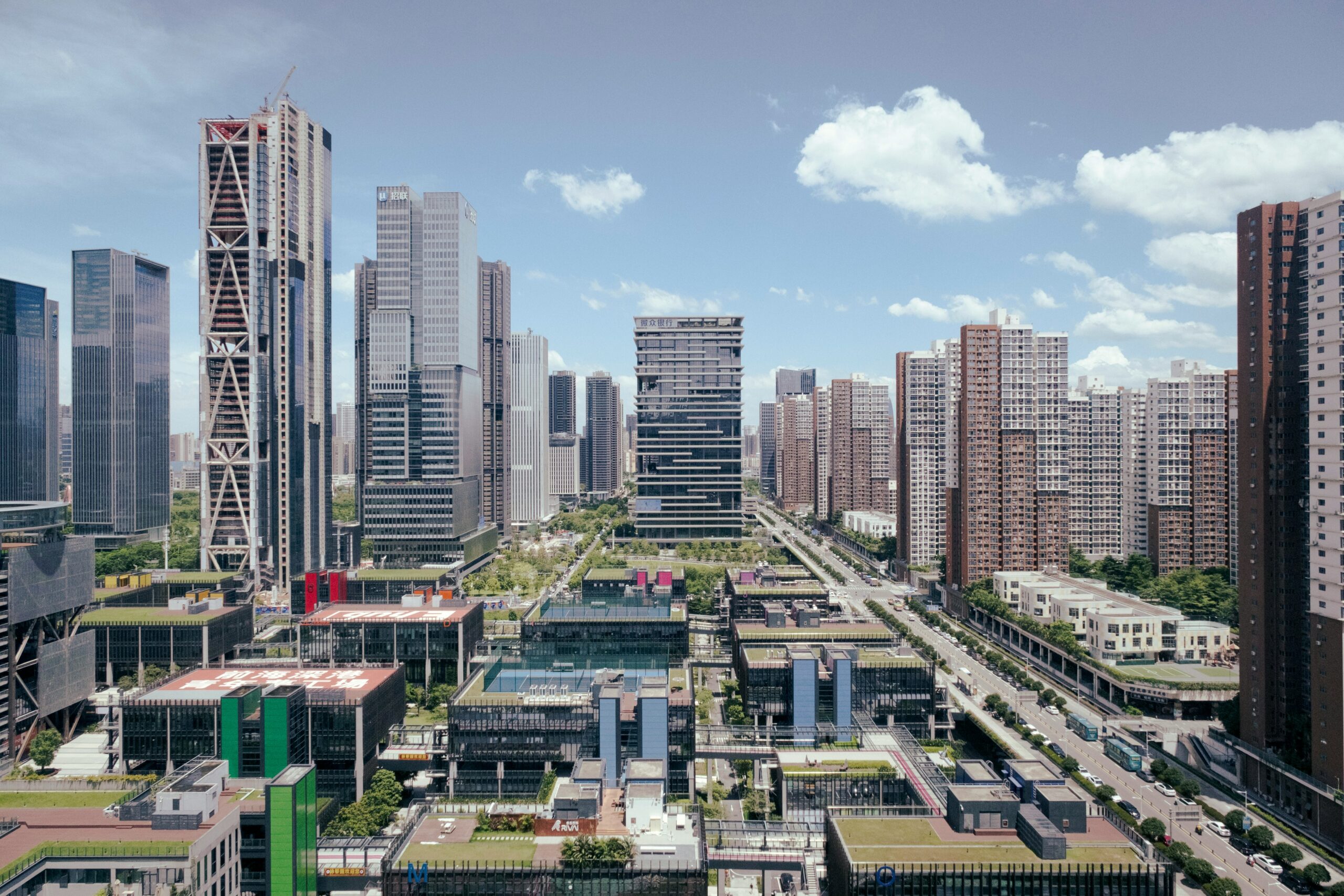
Real estate is entering a new age shaped by technology, sustainability, and global interest. This transformation is not subtle. It is rewriting how cities grow, how people live, and how investors make choices. The next era of property development blends digital innovation with responsible energy use while opening doors to international buyers who shape markets across continents.
At the center of this shift is a simple truth. Cities must evolve to stay relevant. The future belongs to places that become smarter, cleaner, and more connected. Investors are watching these changes closely, and their decisions reveal where the world is heading.
Smart Cities Redefine Urban Living
Smart cities were once ideas for the distant future. Today, they stand at the heart of modern real estate planning. Developers now design buildings that communicate with surrounding systems. Homes adjust energy use on their own. Streets use sensors to reduce traffic. Public spaces respond to real-time needs. This approach makes daily life smoother and improves how cities function behind the scenes.
What makes this shift important for real estate is the value it creates. People are drawn to places that make life easier and safer. Smart infrastructure reduces waste, lowers costs, and supports long-term growth. Investors see this stability as a sign of steady returns. As more cities adopt connected technologies, demand for smart-ready properties will continue to rise.
Clean Energy Becomes a Foundation for Growth
Clean energy is no longer a trend. It has become a requirement for future-ready development. Solar, wind, and other renewables reshape how communities power themselves. Builders now focus on reducing carbon footprints and creating structures that operate efficiently from day one. This commitment helps cities manage resources responsibly while offering residents a healthier environment.
Real estate that uses clean energy also attracts global attention. Buyers and investors worldwide view sustainable properties as stronger long-term assets. Lower utility costs, reduced environmental impact, and government incentives make these developments appealing. As nations push for greener policies, clean-powered buildings will become the standard rather than the exception.
Global Investors Seek Stable and Innovative Markets
International investment plays a major role in shaping the new real estate landscape. Technology makes global transactions easier. Travel and communication bring markets closer. And investors look beyond their home countries for growth opportunities. They seek locations with robust development plans, stable regulations, and a clear focus on future innovation.
This movement brings benefits to cities that adapt. Foreign investment fuels local projects, strengthens economies, and encourages the development of advanced infrastructure. Markets that welcome global buyers see faster development cycles and stronger property values. As smart cities and clean energy projects expand, they become even more attractive to international investors.
Technology Strengthens Property Market Transparency
One reason global investors feel more confident is the rise of transparent digital tools. Data platforms now show real-time property values, demand trends, and market conditions. Buyers can analyze opportunities with clarity. Sellers can reach wider audiences. Governments use digital systems to regulate transactions more effectively.
This transparency supports trust. When information is easy to access and verify, investors feel secure about their decisions. Markets that adopt these tools become more competitive. They also attract a diverse range of buyers who value fairness and accuracy. Technology continues to break down barriers that once limited international participation.
Cities Compete to Become Global Investment Hubs
As investors look beyond borders, cities compete for attention. They promote their smart infrastructure, clean energy systems, and investor-friendly environments. Success depends on long-term planning and strong community impact. Cities that balance innovation with livability rise to the top of global rankings.
This competition also leads to better services for residents. Improved transport, reliable utilities, and digital access become priorities. These advancements strengthen property markets by creating places where people want to live, work, and invest. As cities refine their identities, real estate becomes a powerful symbol of their commitment to progress.
Sustainable Architecture Shapes Market Expectations
Architects and developers focus heavily on sustainability, and this effort changes everything from design to material choice. Buildings now combine natural light, efficient insulation, and recycled resources. Green roofs, advanced cooling systems, and water-saving methods become part of everyday construction. These choices create environments that support health, comfort, and responsible living.
Buyers also expect more from their homes. They want properties that protect the planet and reduce monthly costs. Sustainable design meets these needs while adding long-term value. It creates spaces that adapt to modern lifestyles and future challenges. Real estate built on green principles stands stronger in competitive markets and attracts both local and foreign interest.
The Rise of Mixed-Use Developments
Mixed-use spaces reshape how communities come together. These projects combine living, working, shopping, and recreation in one area. They reduce travel time and create vibrant neighborhoods where daily activities happen within walking distance. This approach helps keep cities cleaner by reducing emissions and improving convenience.
For investors, mixed-use developments offer stability. They attract steady foot traffic, support diverse businesses, and create neighborhoods that feel alive. Their resilience makes them strong long-term investments. As urban populations grow, these integrated communities will become a cornerstone of future development.
Digital Nomads Spark International Housing Demand
A growing number of people work remotely from cities worldwide. This lifestyle expands global housing demand and reshapes rental markets. Digital nomads seek places with strong connectivity, affordable living, and smart infrastructure. Cities that meet these needs gain a new wave of residents who boost local economies.
Real estate developers respond with flexible housing models. Fully serviced apartments, co-living spaces, and tech-enabled rentals become part of modern planning. This shift increases international movement and strengthens ties between global markets. Investors benefit from diversified rental options and properties designed for mobile lifestyles.
Long-Term Outlook for the Next Real Estate Era
The future of real estate blends technology, sustainability, and global connection. Smart cities show how innovation transforms everyday life. Clean energy supports responsible growth and long-term stability. International investment expands opportunities and drives cross-border development. These forces shape a new era that rewards forward thinking.
As cities continue to evolve, real estate will reflect their progress. Places that embrace change will thrive. Those who resist may fall behind. The next era is already unfolding, and its direction is clear: smarter planning, cleaner energy, and a global mindset will lead the way.